The best defense against spyware and other unwanted software is to not download it in the first place.
Here are a few tips that can help you avoid downloading software that you don't want:
1. Download programs only from websites you trust. If you're not sure whether to trust a program, enter the name of the program into your favorite search engine to see if anyone else has reported that it contains spyware. Files that end in the extensions .exe or .scr commonly hide malware. However, even files with familiar extensions such as .docx, .xlsx, and .pdf can be dangerous.
2. Pay Attention & Read all security warnings, license agreements, and privacy statements associated with any software you download. Before you install something, consider the risks and benefits of installing it. Even many reputable programs tell you that they are about to install additional software to “help” you, but it is usually software that you don’t really need and often are programs that either spy on your behavior or lead to virus programs later.
3. Never click "Agree" or "OK" to close a window. Instead, click the red "x" in the corner of the window or press Alt + F4 on your keyboard to close a window.
4. Be Afraid of "free" things. Such as “free” music and movie file-sharing programs, and be sure you understand all of the software that is packaged with those programs.
5. Use a standard user account instead of an administrator account. This will stop many unwanted programs from installing.
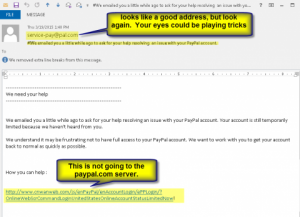
6. Don't click links on suspicious websites or in email messages. Instead, type the website address directly into your browser, or use bookmarks.
7. Don't automatically trust that instant messages, email messages, or messages on social networking websites are from the person they appear to be from. Even if they are from someone you know, contact the person before you click the link to ensure that they intended to send it.
8. Ask someone who knows. If you aren’t sure about a strange message or a program, then ask someone that you trust.
If you need help or have questions about internet security, contact us using the information below.